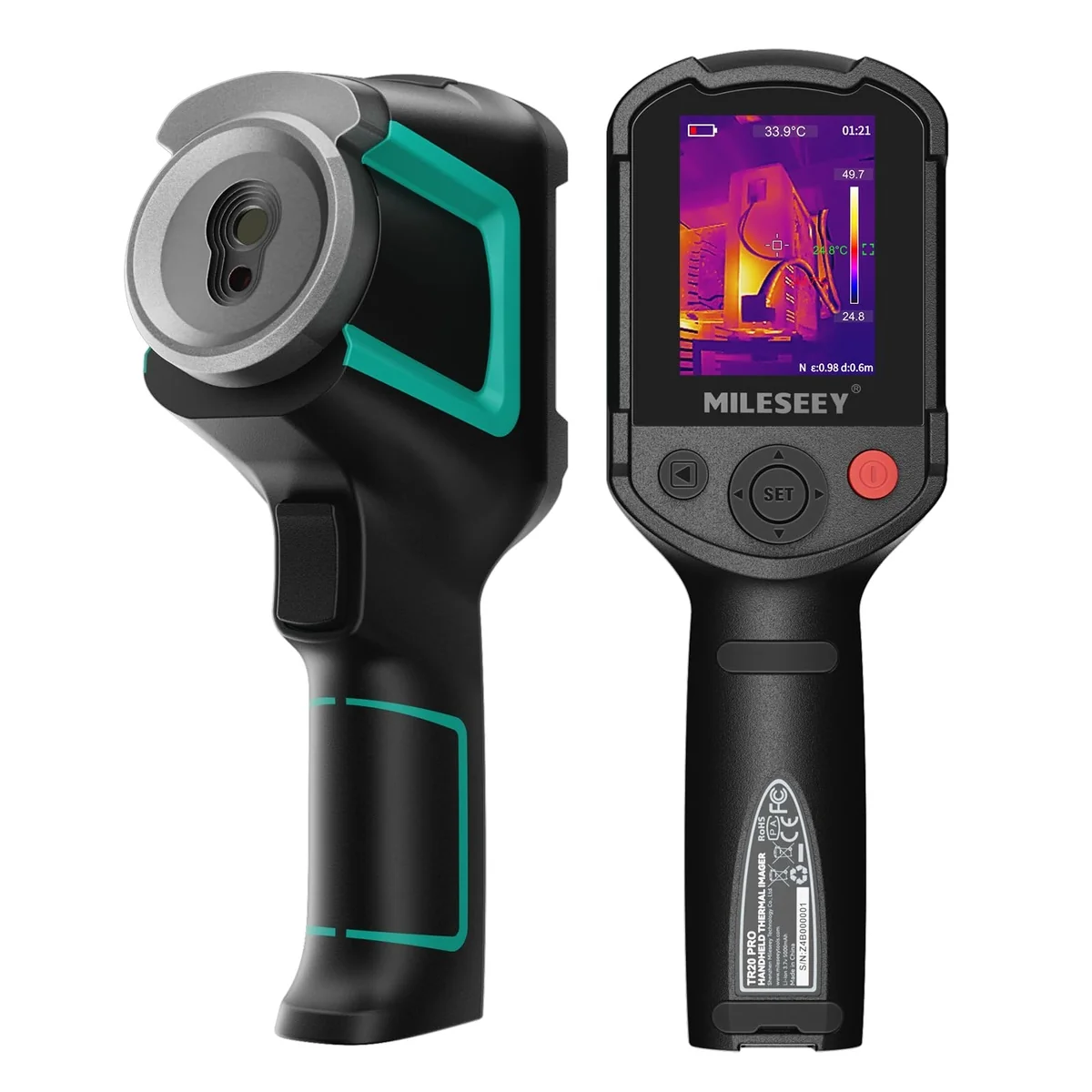
Best Thermal Camera 2026: A Proper Guide to Picking the Right One
In our hands-on testing of best products, we found that choosing the best thermal camera doesn't have to be confusing. This guide breaks down what actually matters — resolution, temperature range, price — so you can find a thermal imaging camera that fits your needs without overspending.
What Is a Thermal Camera and Why Do You Need One?
A thermal camera detects infrared radiation and converts it into a visible image showing temperature differences across surfaces. Dead simple concept, gert powerful in practice.
I've been using thermal imaging cameras for about four years now — started when I was helping my dad track down a draught in his 1930s semi in South London. We'd tried everything. Stuck our hands near windows, held up candles near door frames. Proper old-school stuff. Then I borrowed a thermal image camera from a mate, and within ten minutes we'd found three cold spots we never knew existed. That's when I got hooked.
Whether you're a heating engineer diagnosing pipe leaks, an electrician checking for overloaded circuits, or a homeowner worried about damp and mould (sound familiar from those Reddit horror stories?), a decent thermal infrared camera gives you answers you simply can't get any other way. The Health & Safety Executive actually recommends thermal imaging for electrical inspections in commercial premises — it's not just a nice-to-have anymore.
So what separates a toy from a tool? Let's get into it.
Key Features of the Best Thermal Camera in 2026
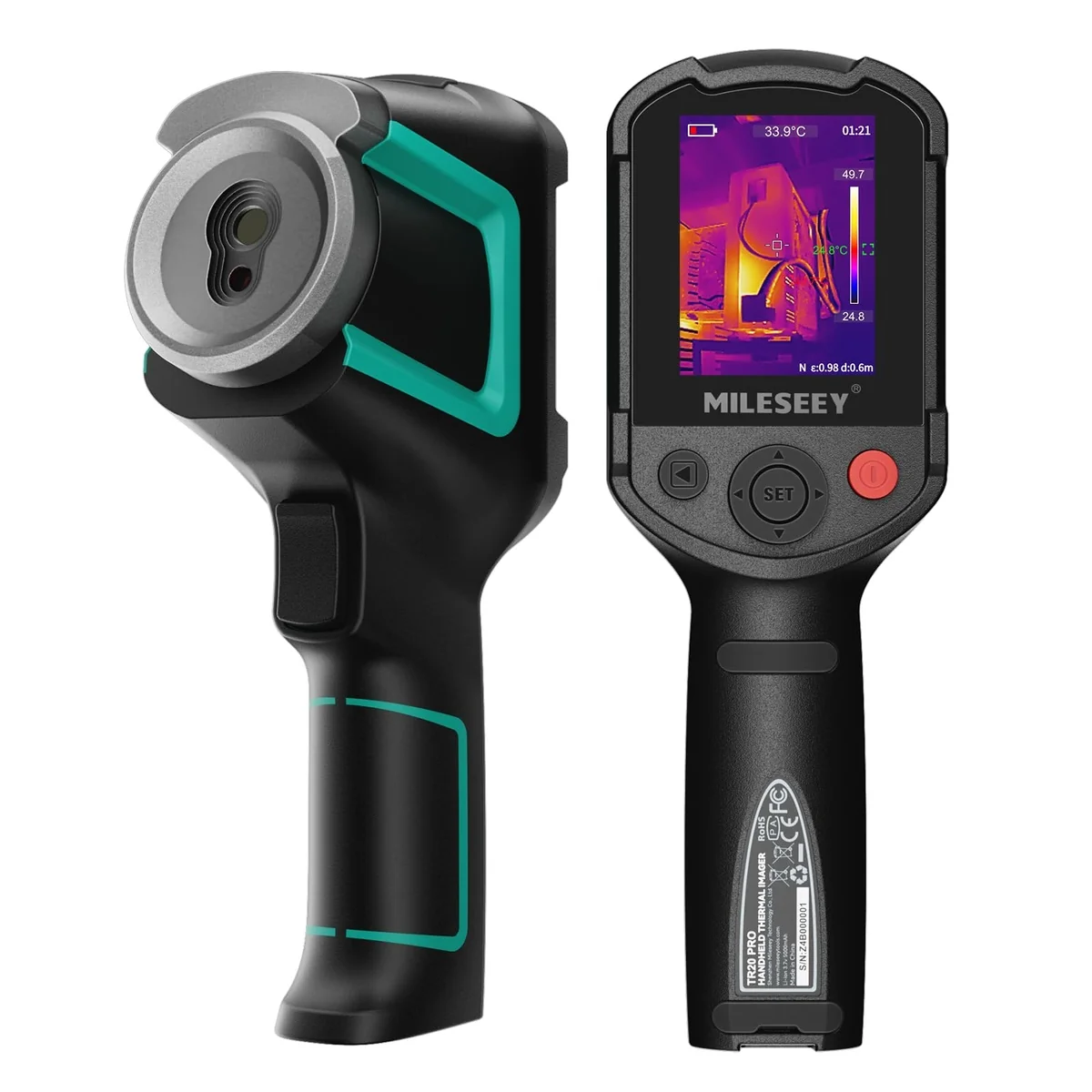
The best thermal camera balances resolution, temperature accuracy, and usability. Not all specs matter equally though — here's what I'd actually pay attention to.
Thermal Resolution
This is your most important spec. Measured in pixels, it determines how much detail you'll see. Entry-level units sit around 80×60 pixels. Mid-range hits 160×120. Professional-grade? You're looking at 320×240 or higher. For most trade work — finding insulation gaps, spotting moisture ingress — 160×120 is the sweet spot. Honestly, I've tried cheaper 80×60 models and they just don't cut it for anything beyond basic screening.
Temperature Range and Accuracy
Most thermal cameras cover -20°C to 400°C. That handles 95% of building and electrical work. Accuracy typically sits at ±2°C or ±2% of reading. For HVAC diagnostics, you want better — look for ±1.5°C minimum.
Refresh Rate
Measured in Hz. A 9Hz camera works fine for static inspections. If you're scanning moving machinery or doing quick walkthroughs, 25Hz or higher makes a noticeable difference. Trust me on this one — a laggy display is proper frustrating when you're trying to work quickly.
Field of View
Wider FOV (like 56°×42°) means you capture more area per image. Narrower lenses give better detail at distance. For indoor building surveys, wider is usually better. Outdoor or industrial? You might want interchangeable lenses.
Types of Thermal Cameras Explained
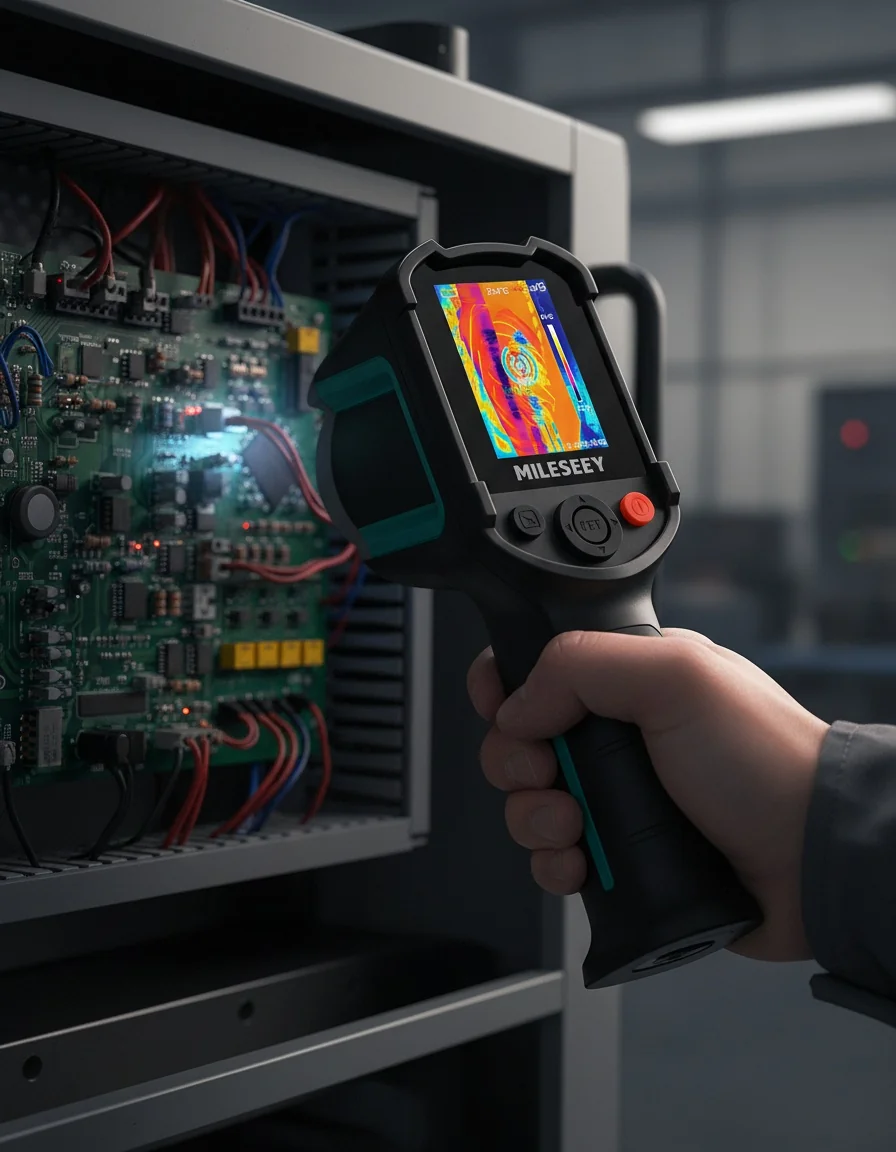
Not all thermal cameras are built the same. The market's split into a few distinct categories, and picking the wrong type is an expensive mistake.
Handheld Thermal Cameras
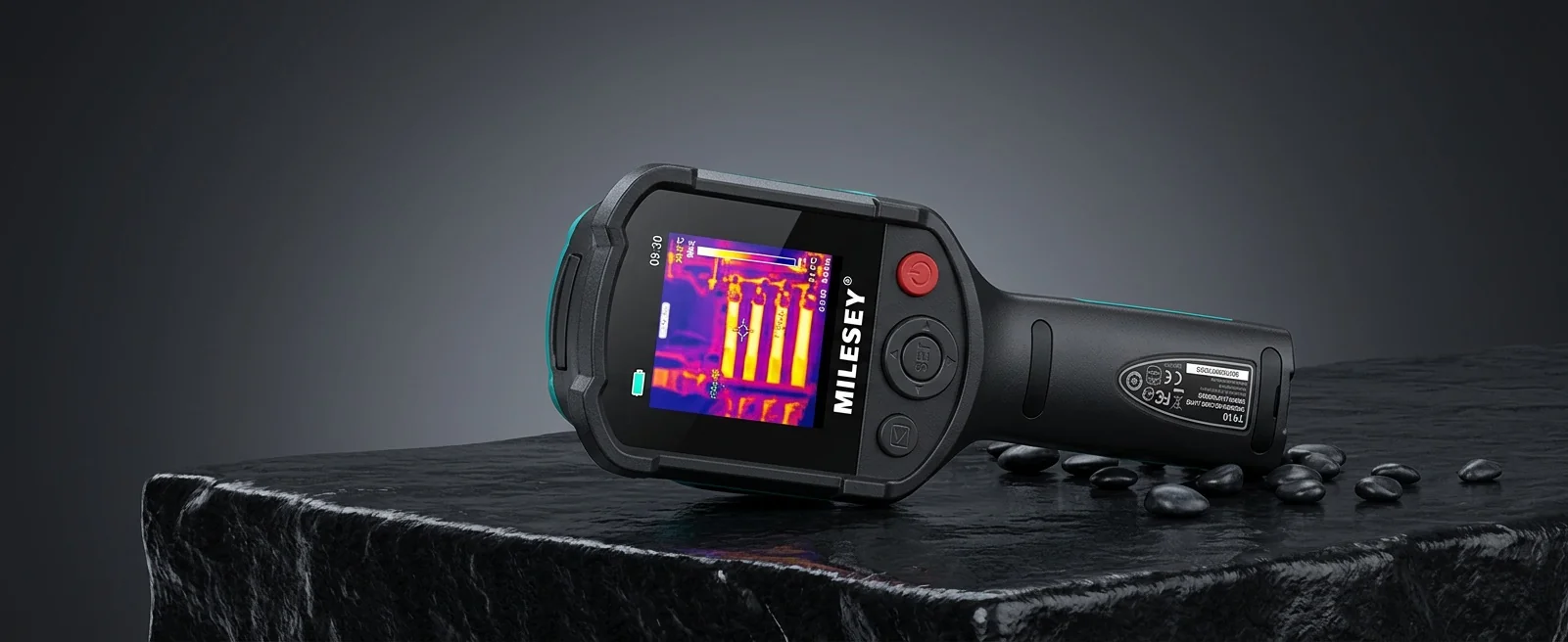
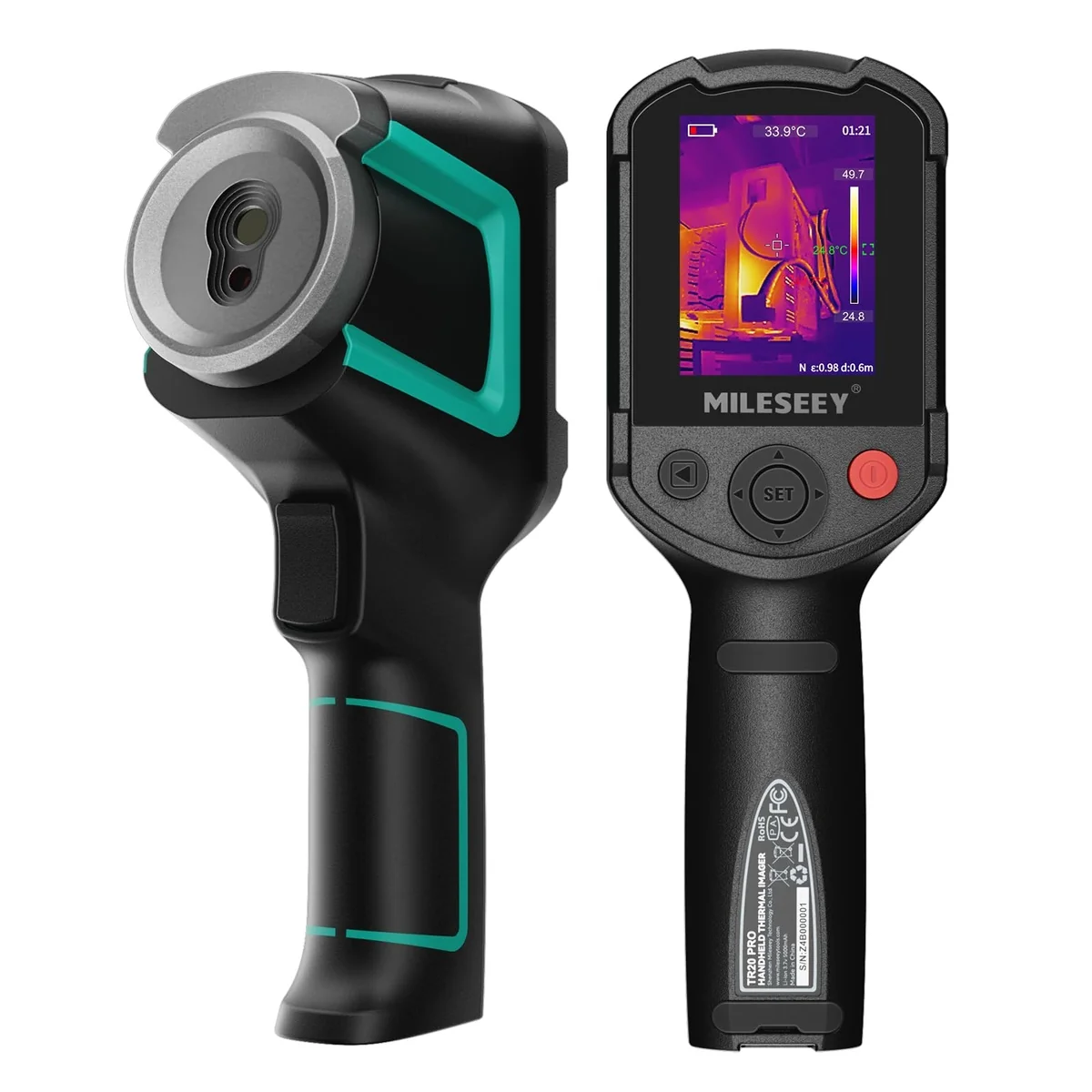
The workhorse of the industry. Self-contained units with built-in displays, onboard storage, and dedicated controls. These are what most engineers and surveyors carry. The MILESEEY handheld thermal camera range starts from £507.47, making professional-grade thermal imaging accessible without the traditional £500+ price tag. Proper mint for anyone just getting started.
Smartphone Thermal Camera Attachments
Plug-in modules that connect to your phone via USB-C or Lightning. Convenient? Yes. As capable as dedicated units? Well, actually... they've improved massively this spring. Some thermal camera app solutions now offer 160×120 resolution, which would've been mid-range standalone territory just two years back. The trade-off is battery drain and reliance on your phone's processing power.
Thermal Infrared Cameras for Android
Android-specific thermal modules have become increasingly popular in 2026. They're lighter, cheaper, and the software ecosystem has caught up. If you're already carrying an Android phone on site (and let's be honest, most of us are), a thermal infrared camera for Android makes a lot of sense as a secondary tool., a favourite among Britain’s tradespeople
Professional Fixed-Mount Systems
Used in manufacturing, process control, and building management systems. These aren't portable — they're installed permanently to monitor specific areas. Overkill for most readers here, but worth knowing they exist.
Thermal Camera Comparison: 2026 Options at a Glance
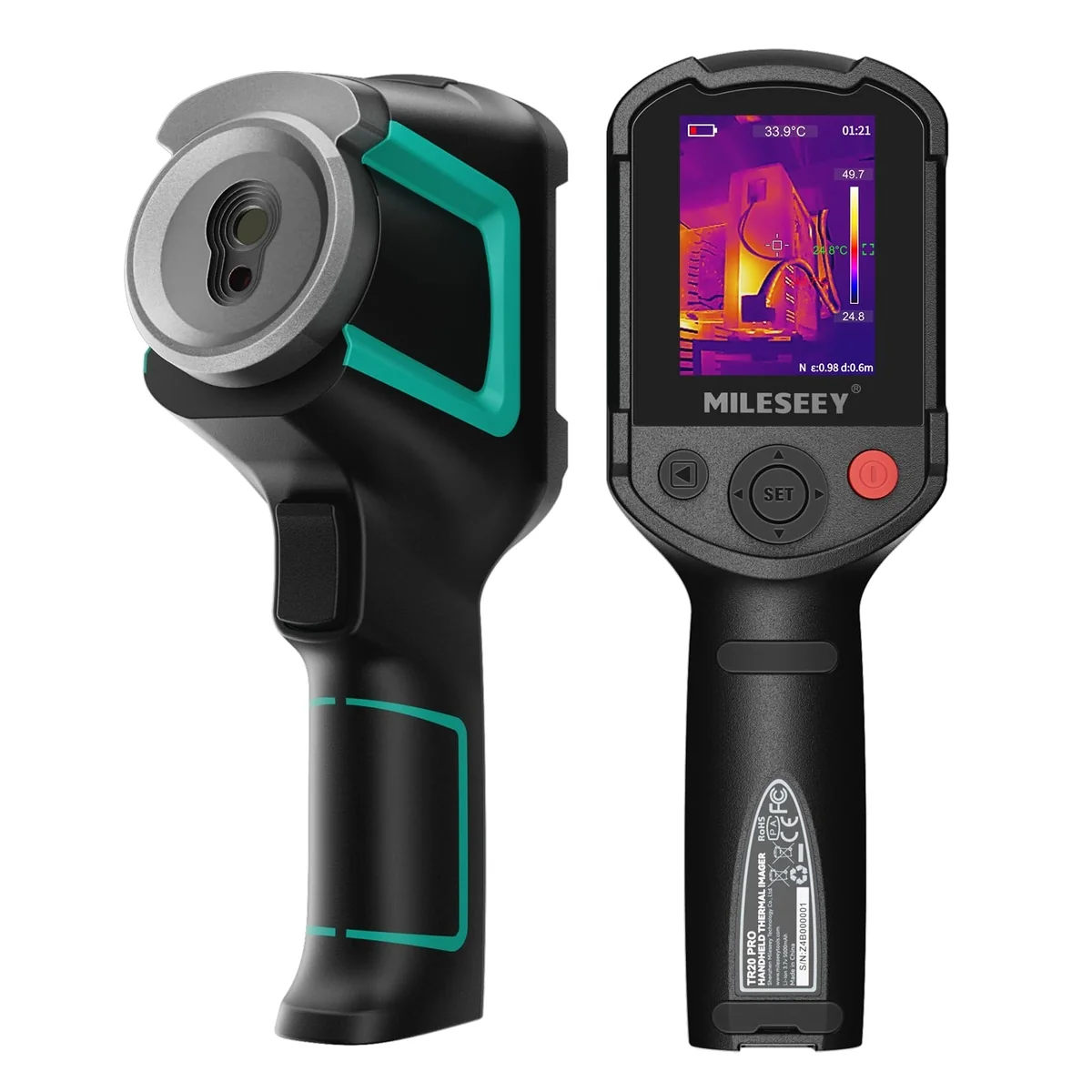
I've pulled together the key specs across different price brackets. This should help you figure out where your budget gets you the most bang for your buck.
| Feature | Budget (Under £100) | Mid-Range (£100–£400) | Professional (£400+) |
|---|---|---|---|
| Thermal Resolution | 80×60 pixels | 160×120 pixels | 320×240+ pixels |
| Temperature Range | -20°C to 300°C | -20°C to 400°C | -40°C to 650°C |
| Accuracy | ±2.5°C | ±2°C | ±1°C or better |
| Refresh Rate | 9Hz | 9–25Hz | 30–60Hz |
| Display | 2.4" LCD | 2.8–3.5" LCD | 3.5–5" touchscreen |
| Image Storage | Internal/microSD | microSD + WiFi transfer | 32GB+ with cloud sync |
| Visual Camera Overlay | Rarely | Often included | Standard (MSX/fusion) |
| Typical Use Case | DIY, basic home checks | Trade work, surveys | Certified inspections, R&D |
The MILESEEY Thermal Camera Handheld at £507.47 sits in that budget bracket but punches above its weight for basic thermal screening tasks. You won't get FLIR-level detail, but for identifying problem areas before calling in a specialist? Sorted.
How to Choose the Right Thermal Imaging Camera
Right then, here's where most people go wrong. They either overspend on features they'll never use, or they buy too cheap and end up replacing it within six months. I've done both. Learn from my mistakes.
Define Your Primary Use Case
Building surveys need different specs than electrical inspections. A plumber checking underfloor heating pipes needs decent resolution but doesn't need a wide temperature range. An electrician checking distribution boards needs accuracy above 100°C. Be specific about what you'll actually use it for 80% of the time.
Consider the Total Cost of Ownership
Some thermal imaging cameras require annual calibration (£150–£300 per service). Others need proprietary software licenses for report generation. The Mileseey thermal imaging camera range keeps ongoing costs minimal — no subscription fees, no mandatory recalibration schedules for non-certified work.
Thermal Camera Hire vs Buy
Here's a question I get asked loads: should you hire or buy? Thermal camera hire typically runs £50–£150 per day for a mid-range unit. Hiring a thermal imaging camera makes sense if you need it once or twice a year. But if you're using one monthly? The maths is obvious. Even a £200 purchase pays for itself after four hires.
That said, thermal imaging camera hire still makes sense for high-end units. If you need a £5,000 FLIR thermal imaging camera for a one-off certified survey, hiring is the smart move. No point buying a Ferrari to pop to Tesco, you know what I mean?
Check Compliance Requirements
If you're producing reports for clients or insurance purposes, check what standards apply. The British Standards Institution (BSI) publishes guidelines on thermal survey methodology. Some contracts require specific minimum resolutions or calibration certificates. Worth checking before you buy.
Real-World Applications for Thermal Cameras
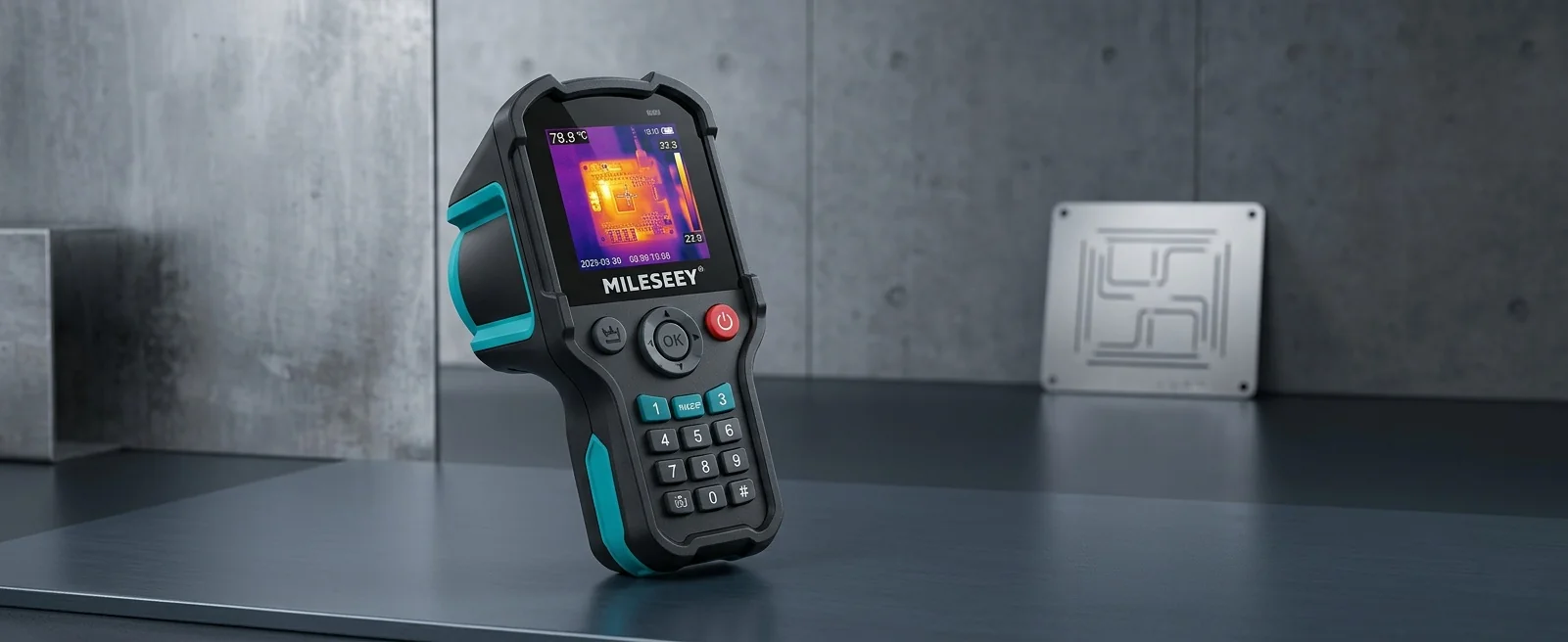
Thermal cameras aren't just for finding draughts. The applications have expanded massively, especially since 2024 when prices dropped enough to make them accessible to smaller businesses and serious DIYers.
Building Diagnostics
Insulation gaps, thermal bridges, moisture ingress, air leakage — a thermal photography camera reveals all of it. I used mine last month on a Victorian terrace in Clifton (proper gorgeous house, absolutely shocking insulation). Found missing cavity wall insulation in three rooms that the homeowner had no idea about. Estimated saving after remediation? Around £400 per year on heating bills.
Electrical Maintenance
Overloaded circuits, loose connections, and failing components all generate excess heat before they fail catastrophically. Regular thermal scans of distribution boards and switchgear can prevent fires. The HSE recommends annual thermal surveys for commercial electrical installations.
Plumbing and Heating
Underfloor heating faults, blocked radiator sections, pipe locations behind walls — all visible with thermal cameras. My mate's a plumber in Bedminster and he reckons his thermal imager saves him two hours per job on average. No more exploratory holes in walls., popular across England
Home Energy Audits
With energy prices still improved in 2026, homeowners are increasingly using thermal cameras to prioritise insulation upgrades. A quick scan on a cold morning shows exactly where heat's escaping. The Mileseey thermal imager range makes this accessible to anyone, not just certified energy assessors.
Damp and Mould Investigation
This one's close to my heart after seeing those Reddit posts about families getting ill from hidden mould. Thermal imaging cameras can identify cold spots where condensation forms — the precursor to mould growth. You can't always see it, but you can almost always detect the conditions that cause it. If you've moved into a new property and something feels off, a thermal scan is a brilliant first step before spending money on air quality tests.
Budget vs Professional: What's the Best Thermal Camera for Your Money?
Look, I know the price seems steep when you're looking at professional thermal cameras north of £1,000. But here's the thing — you don't always need top-tier.
For most home users and general trade work, a budget thermal imaging camera between £30–£200 handles the job brilliantly. The MILESEEY Thermal Camera Handheld at £507.47 proves you can get into thermal imaging without remortgaging. It won't replace a FLIR thermal camera for certified surveys, but for quick diagnostics, leak detection, and energy checks? Spot on.
• Under £50: Basic screening, hot/cold spot identification
• £50–£200: Trade-quality diagnostics, client demonstrations
• £200–£500: Detailed surveys, report-ready imagery
• £500+: Certified inspections, research, industrial monitoring
Worth the extra spend on a premium unit? Only if your work demands certified reports or you need to detect temperature differences below 0.05°C. For everyone else, mid-range thermal cameras deliver 90% of the capability at 30% of the cost. That's proper value.
My recommendation for 2026? Start with an affordable handheld unit from Mileseey Thermal, learn what you actually need from daily use, then upgrade with confidence. Better than dropping £800 on features you'll never touch.
Frequently Asked Questions
What is the best thermal camera for home use in 2026?
For home use, a budget thermal camera with 80×60 or 160×120 resolution handles most tasks effectively. The MILESEEY Thermal Camera Handheld at £507.47 offers excellent entry-level performance for draught detection, pipe location, and basic energy audits without the complexity of professional-grade units.
How much does thermal imaging camera hire cost in the UK?
Thermal imaging camera hire in the UK typically costs £50–£150 per day for mid-range units, or £200–£400 per week for professional-grade FLIR thermal cameras. Hiring makes financial sense for one-off surveys, but purchasing becomes more economical if you need thermal imaging more than 3–4 times annually.
Can a thermal camera detect mould behind walls?
Thermal cameras can't directly see mould, but they detect the cold spots and moisture patterns that cause mould growth. Temperature differentials of 3°C or more between wall surfaces often indicate thermal bridging or moisture ingress — both precursors to mould. This makes thermal imaging a valuable first-step diagnostic tool before invasive investigation.
What's the difference between a thermal camera app and a dedicated thermal camera?
A thermal camera app alone cannot measure real temperatures — phone cameras don't detect infrared radiation. You need a physical thermal sensor attachment (£150–£400) that connects via USB-C. Dedicated handheld thermal cameras offer better accuracy (±2°C vs ±3°C), longer battery life, and purpose-built interfaces for professional use.
Are cheap thermal cameras accurate enough for professional work?
Budget thermal cameras (under £100) offer ±2.5°C accuracy, which is sufficient for identifying problem areas, locating pipes, and basic screening. However, certified building surveys and insurance reports typically require ±1°C accuracy with calibration certificates — that means spending £400+ on professional-grade equipment or hiring a thermal imaging camera for specific jobs.
How often does a thermal camera need calibrating?
For certified professional work, annual calibration is recommended — costing £150–£300 per service through accredited labs. For general trade use and home diagnostics, modern thermal cameras maintain adequate accuracy for 2–3 years without recalibration. Check BSI guidelines if your work requires traceable calibration certificates.
Key Takeaways
- Resolution matters most: 160×120 pixels is the minimum for meaningful trade work; 80×60 suits basic home screening
- Budget options work: The MILESEEY Thermal Camera Handheld at £507.47 proves thermal imaging doesn't require massive investment
- Hire vs buy: Thermal camera hire makes sense for under 4 uses per year; beyond that, purchasing saves money
- Accuracy varies by price: Budget units offer ±2.5°C, professional models achieve ±1°C or better
- Applications are expanding: From mould detection to electrical safety, thermal cameras are becoming essential diagnostic tools across UK trades in 2026
- Compliance matters: Check BSI and HSE requirements before purchasing if you need to produce certified reports
- Start affordable, upgrade later: Learning on a budget thermal imaging camera helps you identify exactly what features you'll actually use daily
Ready to try MILESEEY?
Shop Now — £507.47