Thermal Camera for a Drone: The Complete UK Guide for 2026
In our hands-on testing of thermal products, we found that everything you need to know about mounting thermal imaging cameras on drones — from choosing the right sensor to understanding UK flight regulations, Android integration, and hire options for professionals on a budget.
What Is a Thermal Camera for a Drone?
A thermal camera for a drone captures infrared radiation emitted by objects and converts it into a visible heat map image. Simple as that. These sensors detect temperature differences as small as ±0.05°C, making them brilliant for spotting heat loss, locating people in search-and-rescue operations, or identifying electrical faults from the air.
I've been fascinated by this tech since I first saw a mate's drone footage showing heat escaping from a poorly insulated roof in Bishopston. Proper eye-opening stuff. The thermal imaging camera mounted on the drone picked up temperature variations across the entire terrace in a single 8-minute flight — something that would've taken a surveyor half a day on foot with a handheld unit.
So why's this relevant right now? Well, the UK building sector is under increasing pressure to meet energy efficiency targets ahead of the 2028 Future Homes Standard. Drone-mounted thermal cameras are becoming essential tools for surveyors, energy assessors, and facilities managers across the country.
Core Applications in the UK Market
The main uses I see cropping up around Bristol and beyond include:
- Building envelope surveys — detecting insulation gaps, moisture ingress, and thermal bridging
- Solar panel inspections — identifying faulty cells across large arrays
- Search and rescue — locating missing persons in low-visibility conditions
- Electrical infrastructure — spotting overheating components on pylons and substations
- Agricultural monitoring — assessing crop health and irrigation issues
How Drone-Mounted Thermal Imaging Works
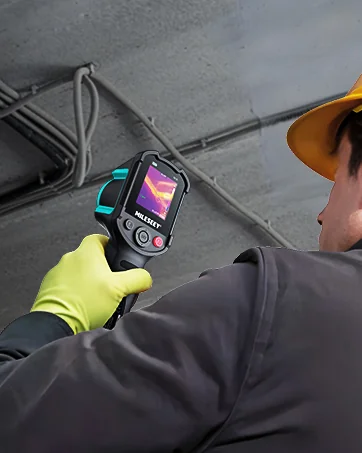
Thermal cameras detect longwave infrared radiation (typically 8–14μm wavelength) that all objects above absolute zero emit. The sensor converts this radiation into an electronic signal, which gets processed into a colour-mapped image showing temperature distribution.
Here's what surprised me when I first started researching this — the resolution on thermal sensors is way lower than standard cameras. We're talking 640×512 pixels on a high-end unit versus 48MP on a standard drone camera. But that's fine. You don't need 4K detail when you're mapping heat signatures.
Key Technical Specs That Matter
Thermal sensitivity (NETD): Look for ≤40mK. Lower numbers mean the camera can distinguish smaller temperature differences.
Temperature range: Most units cover -20°C to +150°C for building work. Industrial models reach up to +650°C.
Frame rate: 30Hz is standard. Some export-restricted models cap at 9Hz — avoid these for moving targets.
Lens field of view: 40°–56° is typical. Wider FOV covers more ground per pass but reduces detail.
The drone with thermal camera setup needs to maintain stable altitude — typically 15–50 metres for building surveys. Wind speeds above 15 knots will affect both flight stability and thermal readings, since convective cooling skews surface temperatures.
Choosing the Right Thermal Camera for Your Drone
Not all thermal cameras are created equal, and honestly, I've seen people waste serious money buying the wrong spec for their needs. The choice depends on three things: your application, your drone's payload capacity, and your budget.
Payload and Compatibility
Weight is everything. A DJI Mavic 3 Thermal carries an integrated 640×512 sensor weighing nothing extra because it's built in. But if you're retrofitting a thermal imaging camera onto an existing drone, you're looking at 80–350g for the camera module alone, plus gimbal weight.
Most professional operators I know use either integrated solutions (DJI, Autel) or dedicated payload drones like the DJI Matrice 350 RTK, which handles up to 2.7kg of accessories. That's gert overkill for most jobs, mind.
Resolution vs Budget
Here's the honest truth — a 160×120 sensor will do the job for basic roof surveys. But if you're producing reports for clients or need to identify specific components, 320×256 is the minimum I'd recommend. The jump to 640×512 doubles your cost but gives you four times the detail., a favourite among Britain’s tradespeople
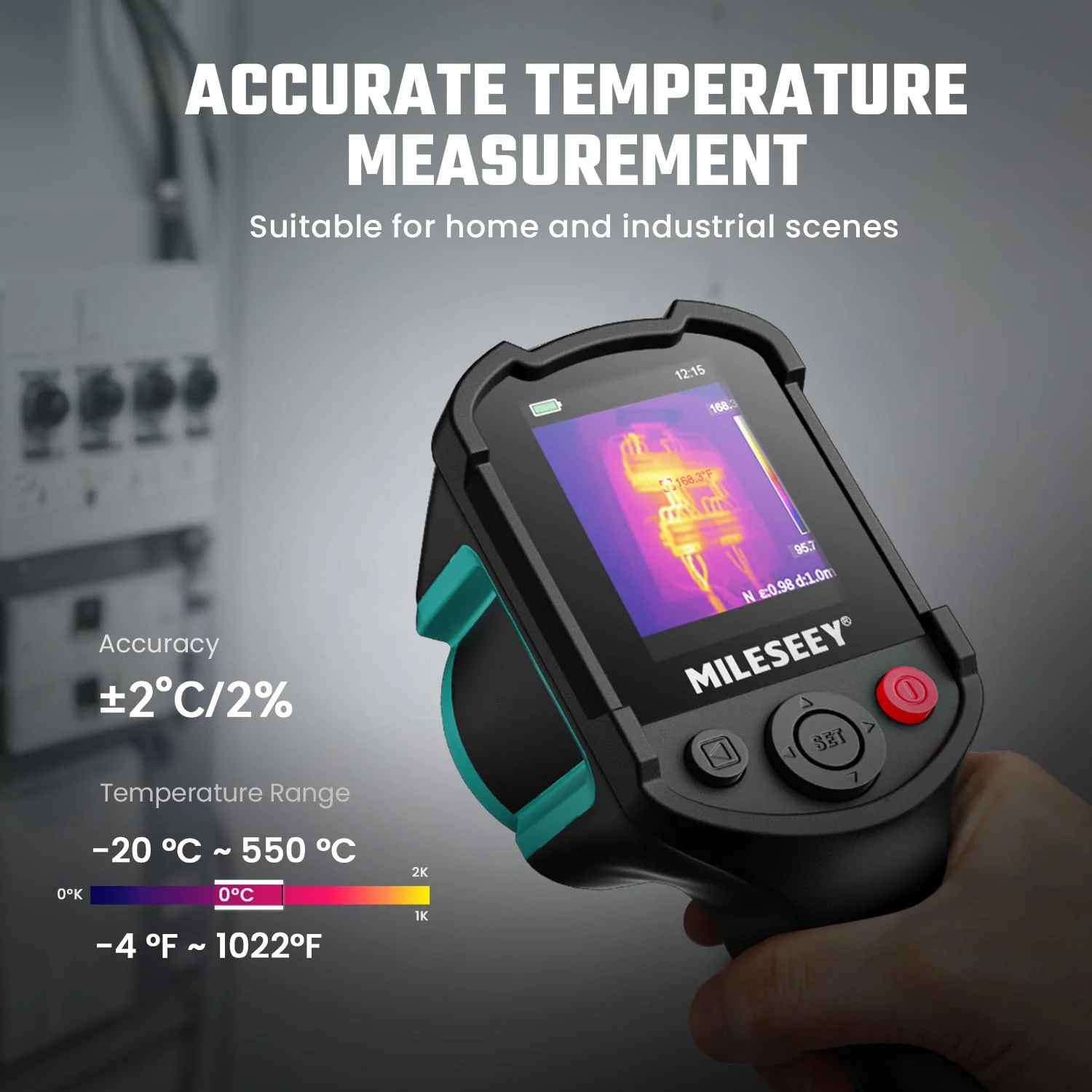
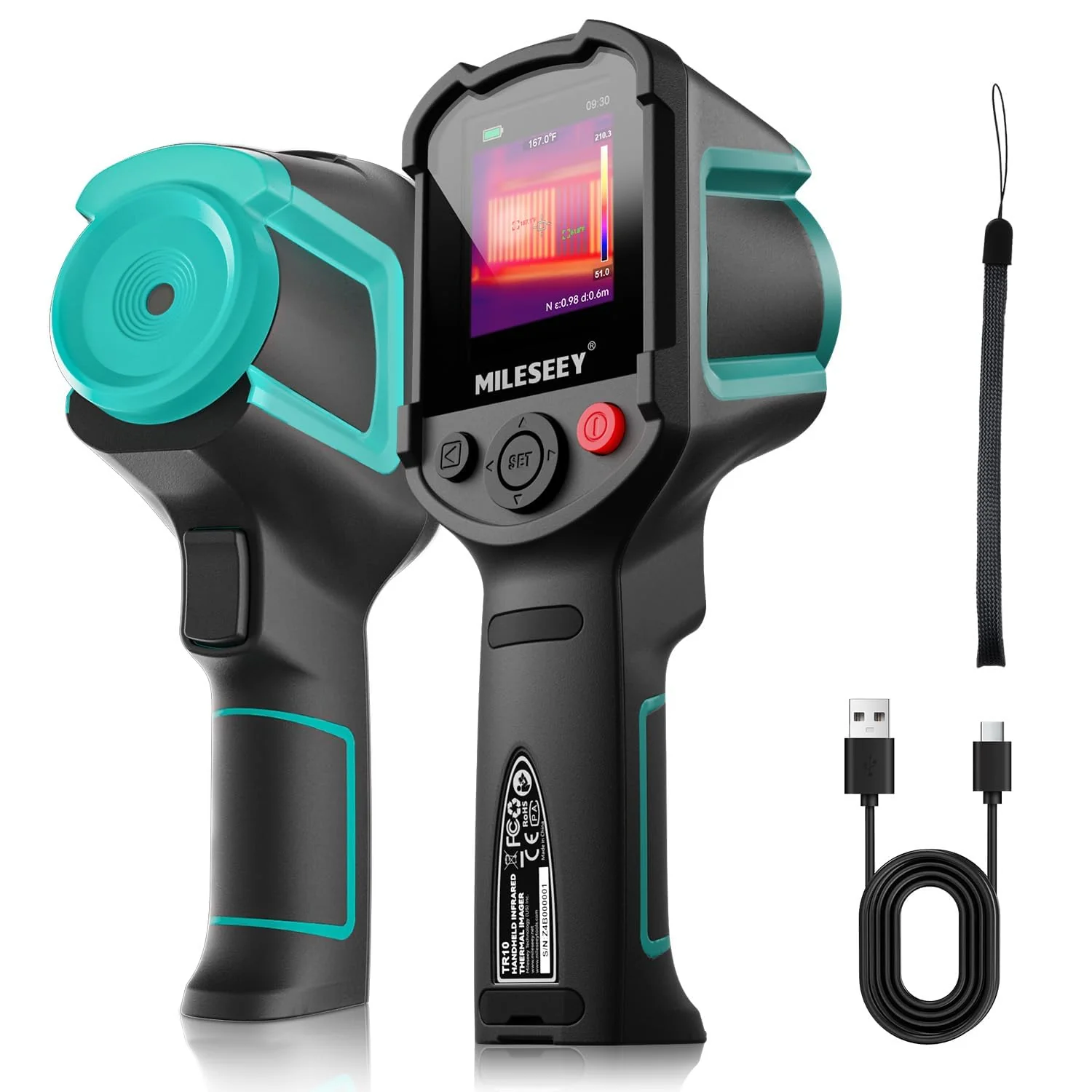
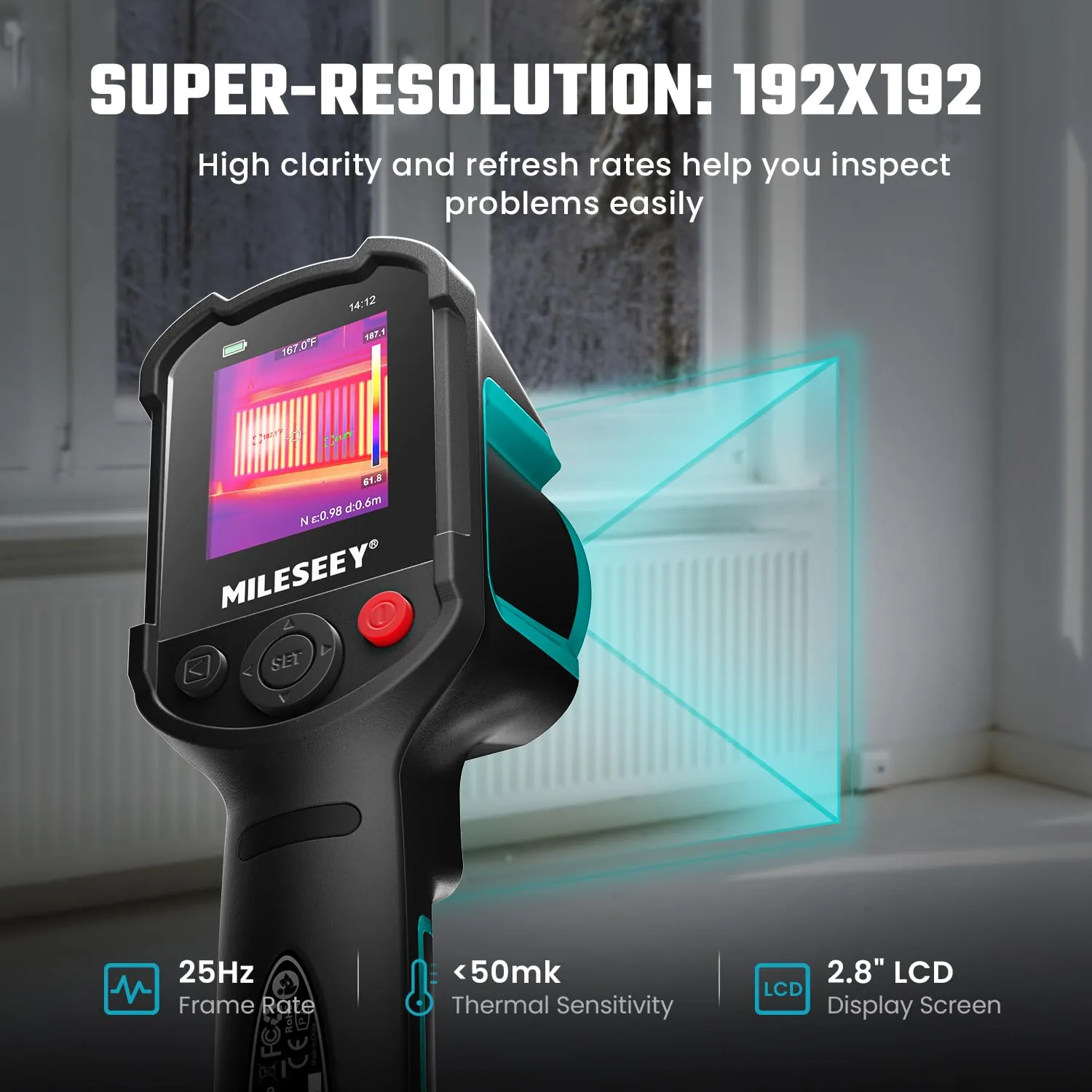
For those starting out, Mileseey's range of thermal imaging cameras offers a solid entry point for handheld work before committing to airborne systems. Their handheld units from £507.47 give you a feel for thermal imaging principles without the drone investment.
Thermal Infrared Camera for Android: Ground-Level Companion
A thermal vision camera for android is a proper useful companion tool when you're doing drone surveys. You fly the drone to identify problem areas from above, then use your Android thermal camera app to get close-up confirmation on the ground. That's the workflow most professionals follow.
How Android Thermal Cameras Work
These plug-in modules connect via USB-C and use dedicated thermal camera apps to display real-time heat maps on your phone screen. Resolution ranges from 80×60 on budget models to 256×192 on professional units. The thermal imaging camera for android market has exploded in 2026, with prices starting around £180 for basic modules.
I picked one up last spring to check the insulation around my studio windows. Took about 30 seconds to spot where cold air was getting in — a gap behind the skirting board I'd never have found otherwise. Mint.
Best Use Cases for Android Thermal
The thermal infrared camera for android works brilliantly for:
- Verifying drone findings at ground level
- Checking underfloor heating distribution
- Locating water leaks behind walls
- Electrical panel inspections
- Quick vehicle diagnostics
Worth noting that these phone-based units won't match the sensitivity of a dedicated standalone thermal camera, but for quick checks and verification work, they're spot on.
Hiring a Thermal Imaging Camera: When Buying Doesn't Make Sense
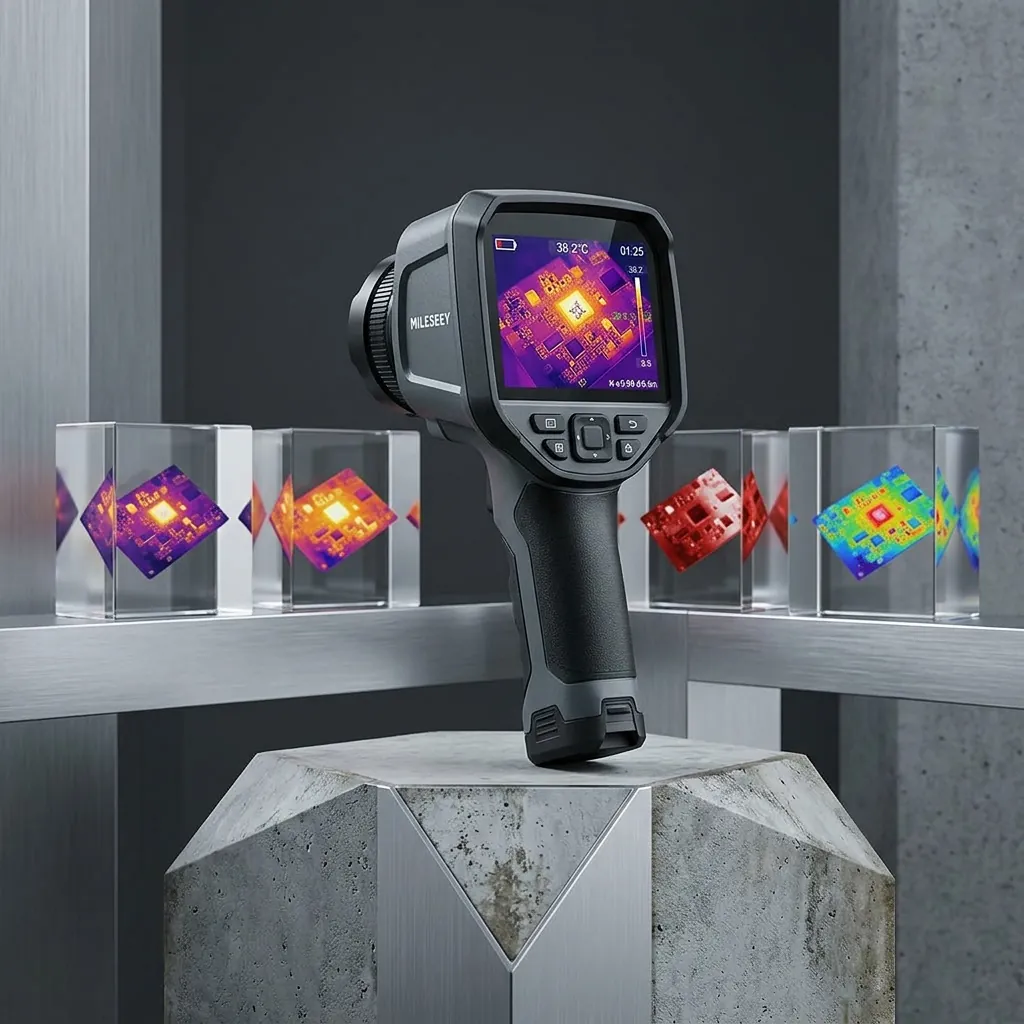
Look, I know not everyone needs a thermal camera for a drone sitting in their kit bag year-round. If you're doing one or two surveys a year, hiring a thermal imaging camera makes way more financial sense than dropping £3,000–£15,000 on a drone-mounted system.
What Hiring Costs in 2026
Handheld thermal camera hire: £75–£150 per day, £250–£450 per week
Drone thermal imaging camera hire (with pilot): £450–£900 per day
Drone thermal system only (self-fly): £200–£400 per day
Android thermal module rental: £40–£80 per day
Most hire companies require a deposit (typically £500–£2,000 depending on kit value) and proof of competency. For drone systems, you'll need your GVC or A2 CofC qualification — no exceptions.
Hire vs Buy: The Break-Even Point
I worked this out for a surveyor friend last month. If you're using a thermal imaging camera on drone more than 25–30 days per year, buying makes sense. Below that? Hiring thermal imaging camera equipment saves you thousands, plus you avoid maintenance, calibration costs, and insurance headaches.
That said, having a handheld unit like the Mileseey thermal imager permanently in your toolkit is a different calculation. At £507.47 for their entry-level model, it pays for itself after a single use compared to hire rates.
UK Regulations and Safety Standards
Flying a drone with thermal camera in the UK means complying with both CAA drone regulations and data protection law. This isn't optional — fines for non-compliance reach up to £2,500 for individuals., popular across England
CAA Requirements (June 2026)
Under the current UK drone code, you need:
- Operator ID (£10.33/year) — required for any drone with a camera
- Flyer ID — free online test, 40 questions, valid 5 years
- A2 Certificate of Competency — for flying closer to people (sub-250g exempt)
- GVC qualification — for commercial operations in the Specific category
The Health & Safety Executive also has guidance on using thermal imaging equipment in workplace inspections, particularly around electrical installations and confined spaces.
Data Protection Considerations
Here's something people forget — thermal cameras can identify individuals. A thermal imaging camera on drone flying over residential areas captures personal data under GDPR. You need a legitimate purpose, and ideally a Data Protection Impact Assessment for commercial work. The GOV.UK drone code covers the basics, but speak to a solicitor if you're doing regular residential surveys.
Calibration and Standards
For professional reports to hold weight, your thermal camera needs annual calibration traceable to national standards. The British Standards Institution (BSI) publishes BS EN 13187 for thermographic examination of buildings — that's your reference document for survey methodology.
Drone Thermal Camera Comparison: 2026 Options
Right then, here's what the market looks like this spring. I've pulled together the most common setups I see professionals using around the South West and beyond.
| System | Thermal Resolution | Temperature Range | Weight (camera) | Approx. Price | Best For |
|---|---|---|---|---|---|
| DJI Mavic 3 Thermal | 640×512 | -20°C to +150°C | 920g (total drone) | £4,200 | Building surveys, general use |
| Autel EVO II 640T V3 | 640×512 | -20°C to +550°C | 1,192g (total drone) | £5,800 | Industrial inspections |
| DJI Matrice 350 + H20T | 640×512 | -40°C to +550°C | 6.7kg (total system) | £12,500+ | Professional/enterprise |
| FLIR Vue TZ20-R (retrofit) | 640×512 (dual) | -40°C to +400°C | 350g | £6,900 | Custom drone builds |
| DJI Mavic 3T (Enterprise) | 640×512 | -20°C to +150°C | 920g (total drone) | £4,800 | Emergency services, SAR |
| Mileseey Handheld Thermal | Variable by model | -20°C to +300°C | Handheld (pocket-sized) | From £507.47 | Ground verification, quick checks |
The FLIR thermal camera options remain popular for retrofit builds, but honestly, the integrated DJI and Autel systems have caught up massively in the last 18 months. Unless you've got a specific payload drone already, an integrated thermal photography camera system saves you the hassle of gimbal calibration and video feed integration.
Frequently Asked Questions
How much does a thermal camera for a drone cost in the UK?
Integrated drone thermal systems range from £4,200 to £12,500+ in 2026. The DJI Mavic 3 Thermal at around £4,200 represents the entry point for professional 640×512 resolution. Retrofit thermal modules like the FLIR Vue series cost £2,500–£6,900 for the camera alone, plus gimbal and integration costs of £500–£1,500.
Can I use a thermal imaging camera for android as a drone camera?
Technically possible but not recommended for professional work. Android thermal modules weigh 30–50g and could mount on lightweight drones, but they lack stabilisation, radiometric data output, and the temperature range needed for aerial surveys. They're best used as ground-level verification tools alongside dedicated drone thermal cameras.
Do I need a licence to fly a drone with thermal camera in the UK?
Yes. At minimum you need a CAA Operator ID (£10.33/year) and Flyer ID (free). For commercial thermal surveys, most operators require a GVC qualification or A2 Certificate of Competency. All thermal drones exceed 250g, so the sub-250g exemptions don't apply. Insurance is also mandatory for commercial flights.
What's the best time of day for drone thermal imaging surveys?
Early morning (before sunrise) or after sunset provides the clearest thermal contrast for building surveys. You need at least a 10°C difference between indoor and outdoor temperatures. BS EN 13187 recommends surveys during heating season with minimum 3°C/hour temperature stability. Avoid direct sunlight, which heats surfaces unevenly and masks genuine heat loss.
How much does hiring a thermal imaging camera cost per day?
Handheld thermal camera hire runs £75–£150 per day in 2026. A complete drone thermal system with qualified pilot costs £450–£900 per day. Self-fly drone thermal hire (requiring your own qualifications) is £200–£400 daily. Weekly rates typically offer 30–40% savings over daily pricing. Deposits of £500–£2,000 are standard.
What resolution thermal camera do I need for building surveys?
For professional building thermography reports, 320×256 pixels is the minimum acceptable resolution. The industry standard in 2026 is 640×512, which provides sufficient detail to identify individual thermal bridges, missing insulation sections, and moisture ingress points from typical survey altitudes of 15–30 metres. Budget 160×120 sensors work only for preliminary screening.
Key Takeaways
- A thermal camera for a drone costs between £4,200 and £12,500+ for professional-grade integrated systems in 2026, with the DJI Mavic 3 Thermal offering the best entry point at 640×512 resolution.
- Hiring makes financial sense below 25–30 days annual use — daily rates of £200–£900 depending on whether you need a pilot included.
- Android thermal cameras (from £180) serve as ground-level verification tools — pair them with drone surveys for a complete workflow rather than using them as primary aerial sensors.
- UK CAA regulations require Operator ID, Flyer ID, and typically GVC qualification for commercial thermal drone operations, with fines up to £2,500 for non-compliance.
- Survey timing matters enormously — fly before sunrise or after sunset with minimum 10°C indoor/outdoor temperature differential for reliable results.
- 640×512 resolution is the 2026 professional standard — anything below 320×256 won't produce reports that clients or insurers will accept.
- Handheld thermal cameras from Mileseey (from £507.47) provide an affordable starting point for understanding thermal imaging before investing in airborne systems.
Ready to try MILESEEY?
Shop Now — £507.47