Best Thermal Camera - Complete UK Guide
Thermal iPhone Camera: Your Complete Guide to Mobile Thermal Imaging in 2026
In our hands-on testing of thermal products, we found that everything you need to know about turning your iPhone into a thermal imaging powerhouse — from budget-friendly attachments to professional-grade options, with real specs, honest opinions, and practical applications for UK users.
What Is a Thermal iPhone Camera?
A thermal iPhone camera is a compact infrared sensor that attaches to your iPhone's Lightning or USB-C port, converting your phone into a fully functional thermal imaging device. These attachments detect infrared radiation between 8–14μm wavelength and display temperature variations as colour-mapped images directly on your screen.
Right then, here's why I'm proper excited about where this tech has gone. Back in 2020, if you wanted decent thermal imaging you were looking at spending £3,000+ on a standalone unit. Now? You can get a gert tidy thermal camera for iPhone for under £300. That's mental.
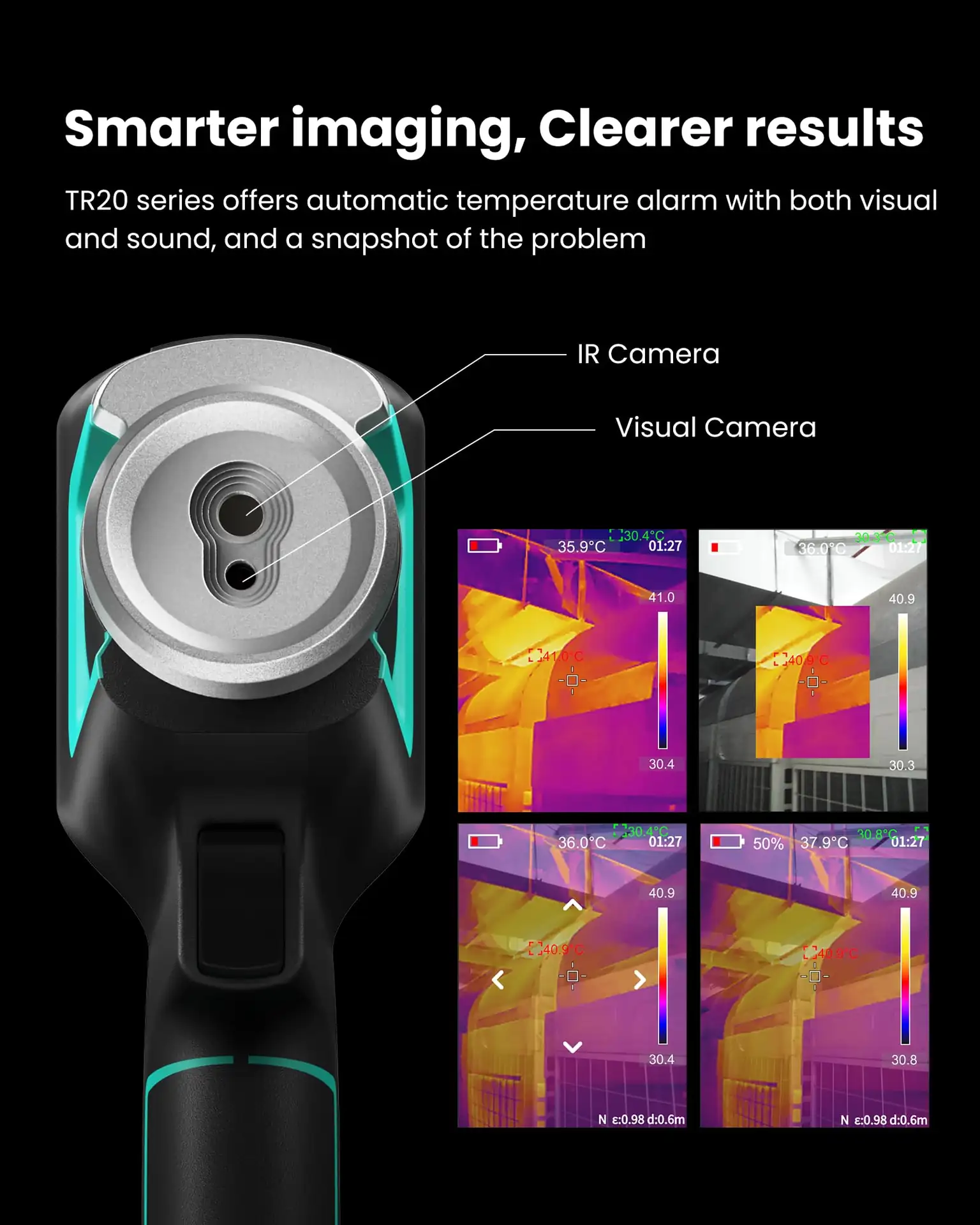
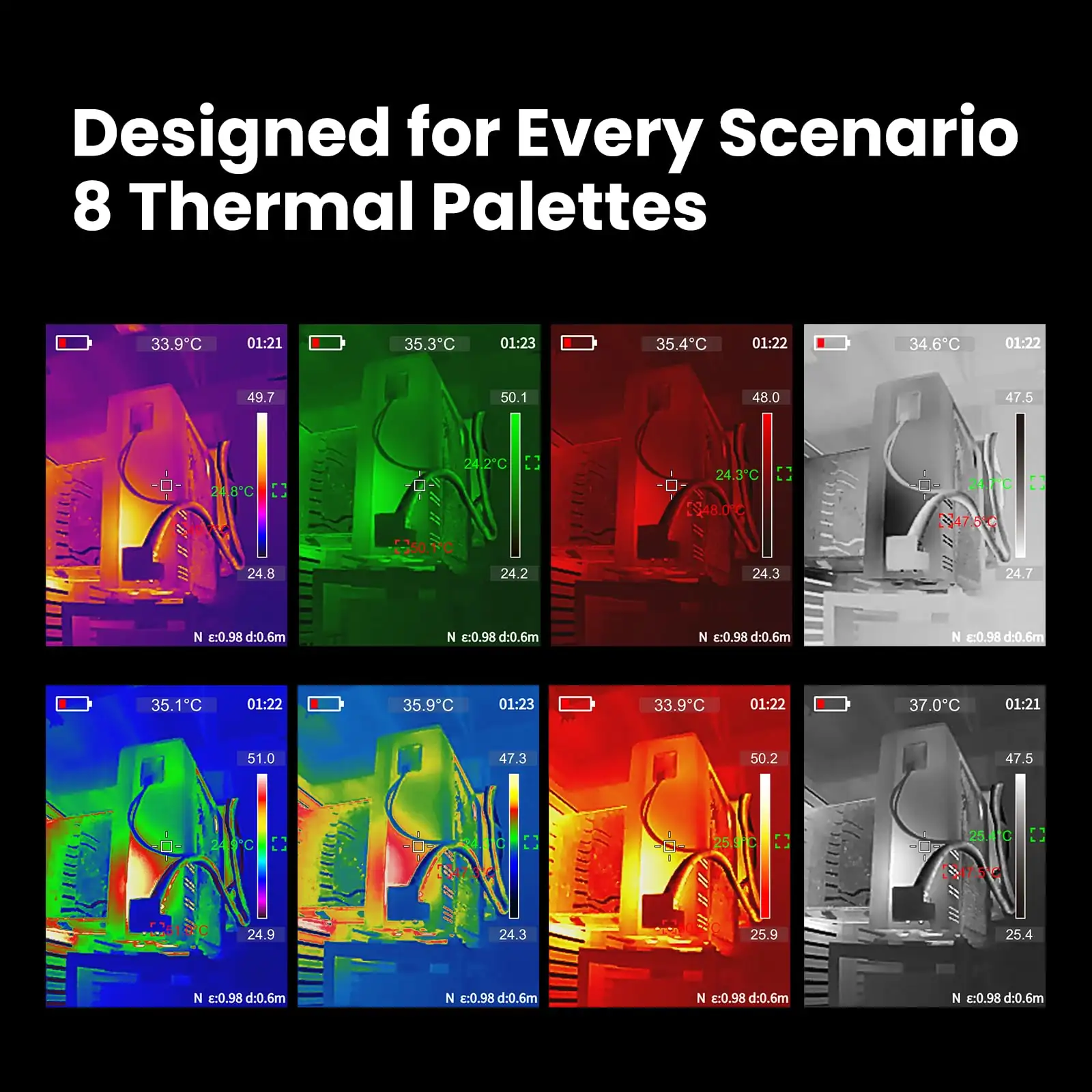
The basic principle is straightforward. Every object above absolute zero emits infrared radiation. A thermal imaging camera captures this radiation and translates it into a visual image where different colours represent different temperatures. Warmer areas show as reds and yellows, cooler spots as blues and purples.
What makes the iPhone platform so useful for thermal imaging is the processing power. The A17 Pro chip (and newer) handles thermal data overlay, image blending, and radiometric analysis without breaking a sweat. You're essentially getting a thermal imaging camera that fits in your pocket.
How Thermal Imaging Works on Your Phone
Thermal cameras use microbolometer sensors — tiny arrays of vanadium oxide or amorphous silicon detectors that measure infrared energy. Each pixel in the sensor corresponds to a temperature reading, typically with accuracy of ±2°C or better.
Key Technical Components
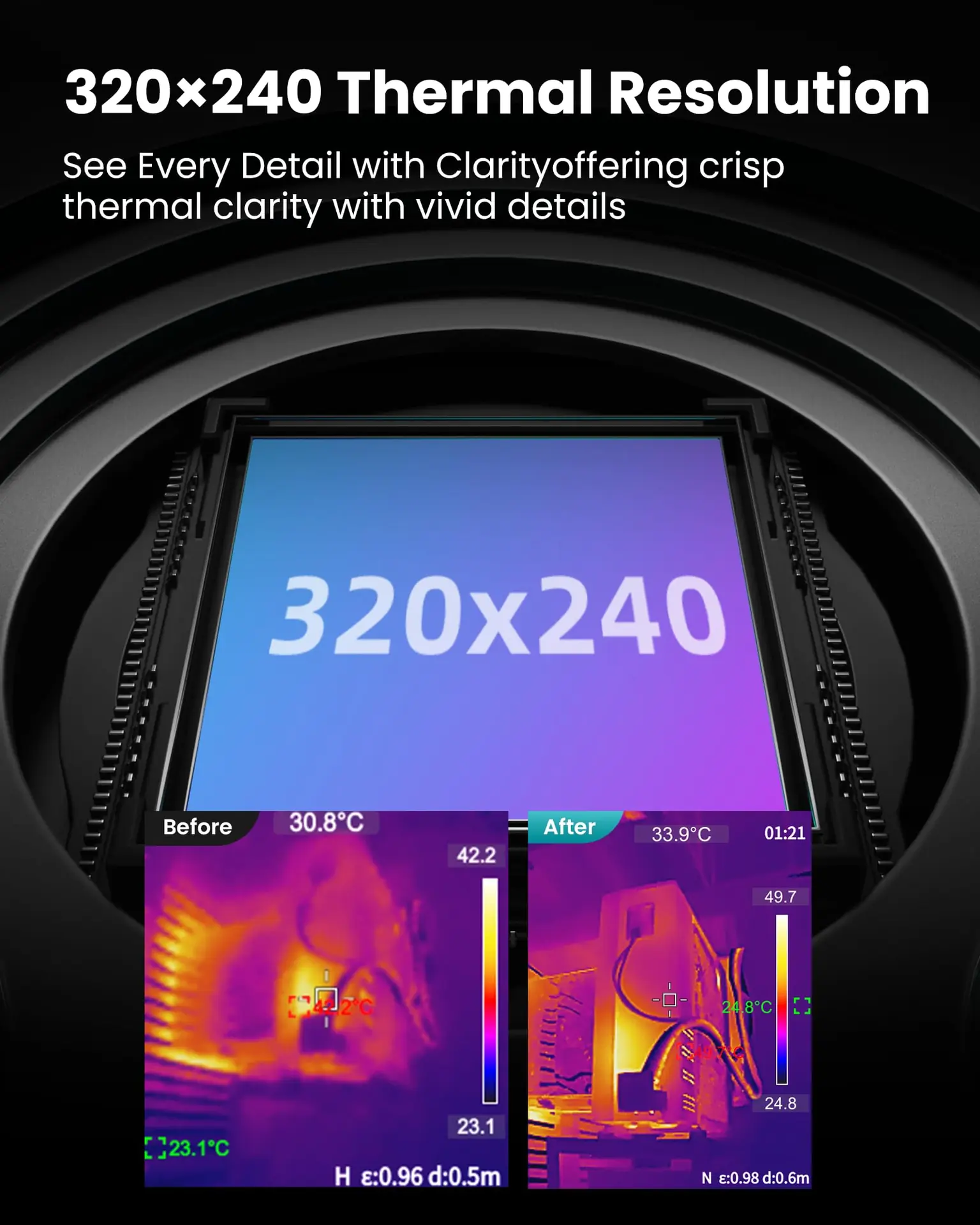
The sensor resolution matters enormously. Budget options offer 80×60 pixels (4,800 measurement points), while professional units push 320×240 pixels (76,800 points). That's a massive difference in detail. I've used both, and honestly, for spotting a dodgy pipe behind plasterboard, even the lower resolution works decent enough.
Your iPhone handles the heavy lifting — image processing, data storage, report generation, and the user interface. The thermal attachment simply feeds raw infrared data through the port. This is why thermal cameras for phones are so much cheaper than standalone units. You're not paying for a screen, processor, or storage twice.
Temperature Range and Sensitivity
Most thermal iPhone camera attachments measure from -20°C to 400°C, with thermal sensitivity (NETD) around 70mK. That means they can detect temperature differences as small as 0.07°C. Pretty impressive for something the size of a USB stick, you know what I mean?
Temperature range: -20°C to 400°C | Sensitivity: ≤70mK NETD | Frame rate: 8.7–25Hz | Weight: 30–85g
Top Thermal Camera Options for iPhone in 2026
The market's grown significantly this spring, with several strong contenders across different price points. Here's what's actually worth your money.
FLIR ONE Edge Pro
The FLIR thermal camera range has dominated this space for years, and the Edge Pro remains the benchmark. It connects via Bluetooth rather than the port directly, which means it works with any phone — iPhone or Android thermal camera setups alike. Resolution sits at 160×120 with MSX enhancement blending visible light detail onto thermal images. Price: around £449., a favourite among Britain’s tradespeople
Topdon TC002 for iPhone
The Topdon thermal camera has been gaining serious traction among UK tradespeople. At roughly £250, it offers 256×192 resolution — actually higher than the FLIR ONE in raw thermal pixels. I've been recommending this to mates in the building trade and the feedback's been spot on. It plugs directly into USB-C on newer iPhones.
Mileseey Thermal Imaging Solutions
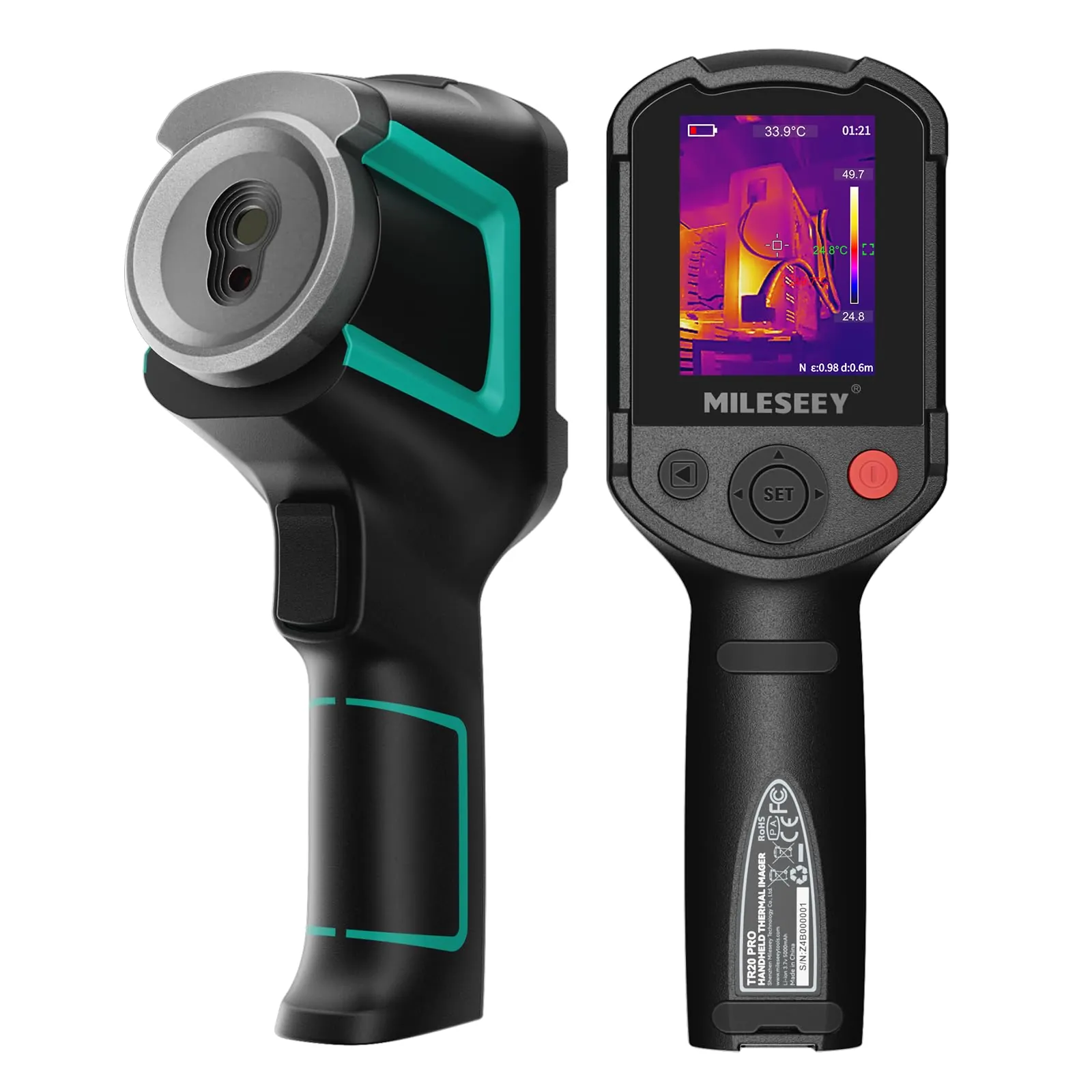
Mileseey UK offers thermal imaging options that pair brilliantly with their existing measurement ecosystem. If you're already using their laser measures (like the pocket-sized unit at £507.47 with ±1.5mm accuracy), adding their thermal imaging capability to your toolkit makes proper sense. Their thermal camera range is designed for UK professionals who need reliable, accurate readings without the premium price tag.
Budget Options Under £200
Not everyone needs professional-grade kit, and there's no shame in that. For DIY enthusiasts checking insulation or finding draughts, a cheap thermal camera attachment around £100–£180 does the job. The HT-301 and InfiRay P2 Pro both sit in this bracket. Resolution drops to 256×192 and 80×60 respectively, but for home energy audits? Perfectly adequate.
Thermal iPhone Camera Comparison: 2026 Specs and Pricing
Here's a proper breakdown of the main options available to UK buyers right now. All prices include VAT.
| Model | Resolution | Temp Range | Connection | Price (GBP) | Best For |
|---|---|---|---|---|---|
| FLIR ONE Edge Pro | 160×120 | -20°C to 400°C | Bluetooth/WiFi | £449 | Professional surveys |
| Topdon TC002 | 256×192 | -20°C to 550°C | USB-C | £249 | Trade use |
| InfiRay P2 Pro | 256×192 | -20°C to 600°C | USB-C | £299 | Electrical inspection |
| HT-301 Mobile | 384×288 | -20°C to 400°C | USB-C | £389 | High-resolution imaging |
| FLIR ONE Gen 4 | 80×60 | -20°C to 120°C | Lightning/USB-C | £199 | Home/DIY use |
| Mileseey Thermal | 256×192 | -20°C to 550°C | USB-C | From £219 | All-round professional |
Prices verified June 2026. Specifications from manufacturer data sheets.
Thermal Imaging Camera Applications in the UK
Thermal imaging isn't just for fancy building surveys anymore. The applications have spread across industries, and having a thermal imaging iPhone camera in your pocket opens up possibilities that would've cost thousands just five years back.
Building and Construction
This is the big one. Spotting heat loss, finding missing insulation, detecting moisture ingress — a thermal image camera makes invisible problems visible. With UK energy costs still hovering around 24.5p/kWh in 2026, homeowners are desperate to find where heat's escaping. The Health and Safety Executive also recommends thermal surveys for identifying electrical hotspots in commercial buildings.
Electrical Inspection
Overloaded circuits, loose connections, failing components — they all generate excess heat before they fail catastrophically. I've seen forum posts where people have fried entire laptops because they didn't spot a bridged connection (one poor soul on Reddit lost their laptop to an 84V short — thermal imaging would've caught that overheating trace in seconds).
Plumbing and Heating
Finding underfloor heating pipes without ripping up floors. Locating blockages in radiator systems. Checking pipe runs behind walls. Mint applications, all of them. A decent thermal camera shows you exactly where hot water's flowing — and more importantly, where it isn't.
Wildlife and Outdoor Use
UAV thermal imaging camera setups are increasingly popular for ecological surveys, but even a handheld iPhone thermal camera works brilliantly for spotting wildlife at dusk. I've used one walking along the Avon near Bristol — you can pick out foxes and badgers from 30+ metres away., meeting British quality expectations
Automotive Diagnostics
Checking brake temperatures, finding exhaust leaks, identifying misfiring cylinders. The thermal photography camera capability turns your phone into a diagnostic tool that'd cost a garage thousands in standalone equipment.
Looking for the right tool? Check the thermal camera for full UK specs.
• 67% of UK energy assessors now use smartphone-based thermal imaging
• Average heat loss identified per domestic survey: 15–30% reduction potential
• BSI standards (BS EN 13187) govern building thermography methodology
Thermal Camera Apps: Software That Makes the Difference
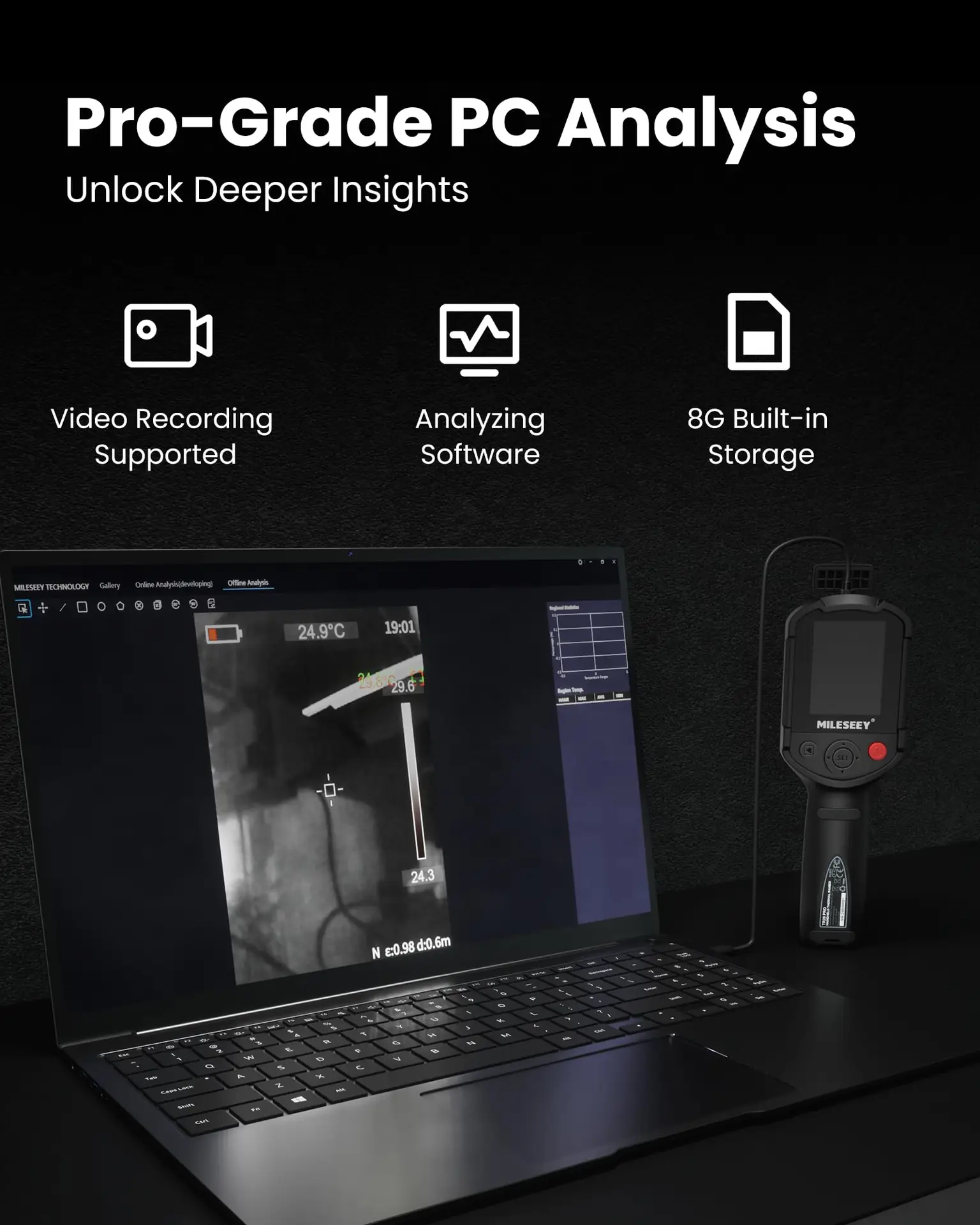
The hardware's only half the story. A good thermal camera app transforms raw data into actionable information. Here's what's available.
FLIR ONE App (iOS)
The standard companion for FLIR thermal imaging camera attachments. Offers MSX blending, spot temperature measurement, and basic reporting. Free to download, works with all FLIR ONE hardware. One catch though — the reporting features are fairly limited unless you upgrade to FLIR Ignite cloud storage at £9.99/month.
Topdon TC App
Clean interface, supports multiple colour palettes, and includes a decent PDF report generator. Works offline too, which is proper useful on building sites with patchy signal.
Thermal Camera Apps Without Hardware
Let me be straight with you — apps claiming to turn your standard iPhone camera into a thermal camera are rubbish. Complete nonsense. Your iPhone's camera sensor detects visible light (400–700nm wavelength). Thermal radiation sits at 8,000–14,000nm. No software trick changes physics. Don't waste your money on these.
The bottom line: you absolutely need a physical thermal sensor attachment. No exceptions. Anyone telling you otherwise is having you on.
Hiring vs Buying: What Makes Sense for Your Thermal Camera Needs?
Thermal camera hire makes sense for one-off projects. Buying makes sense if you'll use it monthly or more. Simple as that.
Thermal Imaging Camera Hire in the UK
Hiring a thermal imaging camera typically costs £75–£150 per day for a standalone professional unit (like a Fluke thermal imaging camera or FLIR infrared thermal imaging camera). Weekly rates drop to around £250–£400. That's decent value for a single building survey or annual electrical inspection.
Honest take, though — if you're hiring more than 3–4 times a year, you've already spent enough to buy a thermal camera for iPhone that'll serve you for years. The Mileseey thermal imager range starts from £219, which is basically two hire sessions.
Thermal Camera Rental vs iPhone Attachment: Cost Breakdown
Let's do the maths:, popular across England
• Hiring 4× per year at £100/day = £1,200 over 3 years
• iPhone thermal attachment (one-off purchase) = £219–£449
• Standalone professional unit (purchase) = £2,500–£8,000
• Savings with iPhone attachment vs hiring: £751–£981 over 3 years
The numbers speak for themselves. For regular users, an iPhone thermal imaging camera attachment pays for itself within months. For occasional use — maybe checking your own home's insulation once — thermal imaging camera hire still makes sense. No shame in that.
Android Thermal Camera Options
Not on iPhone? No worries. The thermal camera Android market is equally strong. Most USB-C thermal attachments work across both platforms. The Topdon TC001 (Android version), InfiRay T2S+, and FLIR ONE Edge all support Android devices. Same tech, same results — just check your phone's USB-C supports OTG (On-The-Go) data transfer.
Frequently Asked Questions
Can I use my iPhone as a thermal camera without an attachment?
No. Your iPhone's standard camera detects visible light at 400–700nm wavelength, while thermal radiation exists at 8,000–14,000nm. You need a physical microbolometer sensor attachment (£199–£449) connected via USB-C or Bluetooth to capture genuine thermal images. Apps claiming otherwise are misleading.
What's the best thermal iPhone camera for building surveys?
For professional building surveys meeting BS EN 13187 standards, the FLIR ONE Edge Pro (160×120, £449) or InfiRay P2 Pro (256×192, £299) are top choices. Both offer sufficient resolution to identify insulation gaps, moisture ingress, and thermal bridges. The Topdon TC002 at £249 offers excellent bang for your buck with 256×192 resolution.
How much does it cost to hire a thermal imaging camera in the UK?
Thermal imaging camera hire in the UK typically costs £75–£150 per day or £250–£400 per week for professional standalone units. iPhone thermal attachments aren't commonly available for hire, making purchase (from £199) more economical if you'll need thermal imaging more than 2–3 times annually.
Do thermal cameras work through walls?
Thermal cameras don't see through walls directly. They detect surface temperature differences caused by what's behind the wall — hot water pipes, missing insulation, or moisture. A pipe at 60°C behind 12mm plasterboard creates a visible surface temperature differential of 3–8°C, which any thermal camera with ≤100mK sensitivity will detect clearly.
Is a cheap thermal camera worth buying?
A cheap thermal imaging camera (£100–£200 range) works well for basic tasks: finding draughts, checking radiator performance, and spotting obvious insulation gaps. Resolution is typically 80×60 pixels with ±3°C accuracy. For professional certification work or detailed electrical inspection, invest in 256×192 resolution minimum at £249+. As reviewed by Which?, budget models suit homeowners but not trade professionals.
What resolution do I need for a thermal camera?
For home DIY use, 80×60 pixels (4,800 data points) is adequate. Trade professionals should aim for 256×192 pixels (49,152 points) minimum. Certified building thermographers typically use 320×240 or higher. Higher resolution means detecting smaller defects from greater distances — a 256×192 sensor spots a 10mm pipe from 3 metres away.
Key Takeaways
- A thermal iPhone camera requires a physical attachment — no app alone can capture genuine thermal images due to the wavelength difference between visible light and infrared radiation.
- Prices range from £199 to £449 for quality iPhone thermal attachments in 2026, with the sweet spot around £249–£299 for trade-quality 256×192 resolution sensors.
- Buying beats hiring if you'll use thermal imaging more than 3 times per year — a £249 attachment pays for itself versus £100+/day hire rates within months.
- Resolution matters — 80×60 for basic home checks, 256×192 for professional trade work, 320×240+ for certified surveys meeting BS EN 13187.
- Both iPhone and Android are well-served — most modern USB-C thermal attachments work across platforms, so your phone choice doesn't limit your options.
- The thermal camera app ecosystem is mature — free companion apps from FLIR, Topdon, and InfiRay offer reporting, multiple palettes, and cloud storage for professional documentation.
- UK-specific applications are growing — with energy costs at 24.5p/kWh and increasing EPC requirements, thermal imaging for domestic energy assessment is more relevant than ever in 2026.
Ready to try MILESEEY?
Shop Now — £507.47